Early Stone Age
3M
BC
-
10K
BC
Era
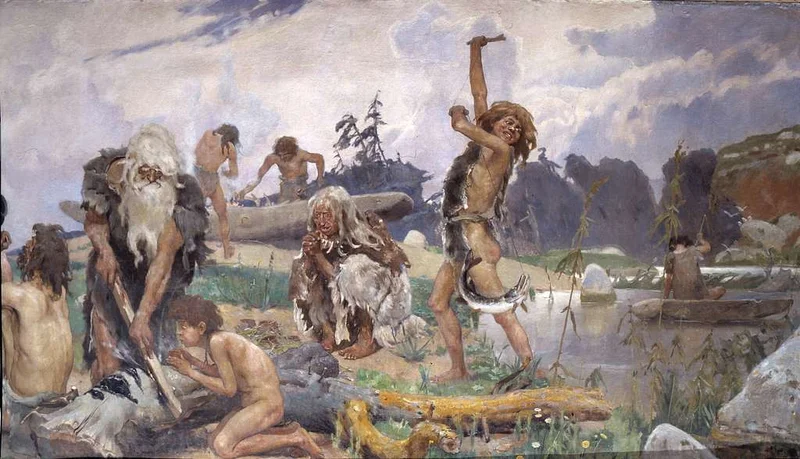
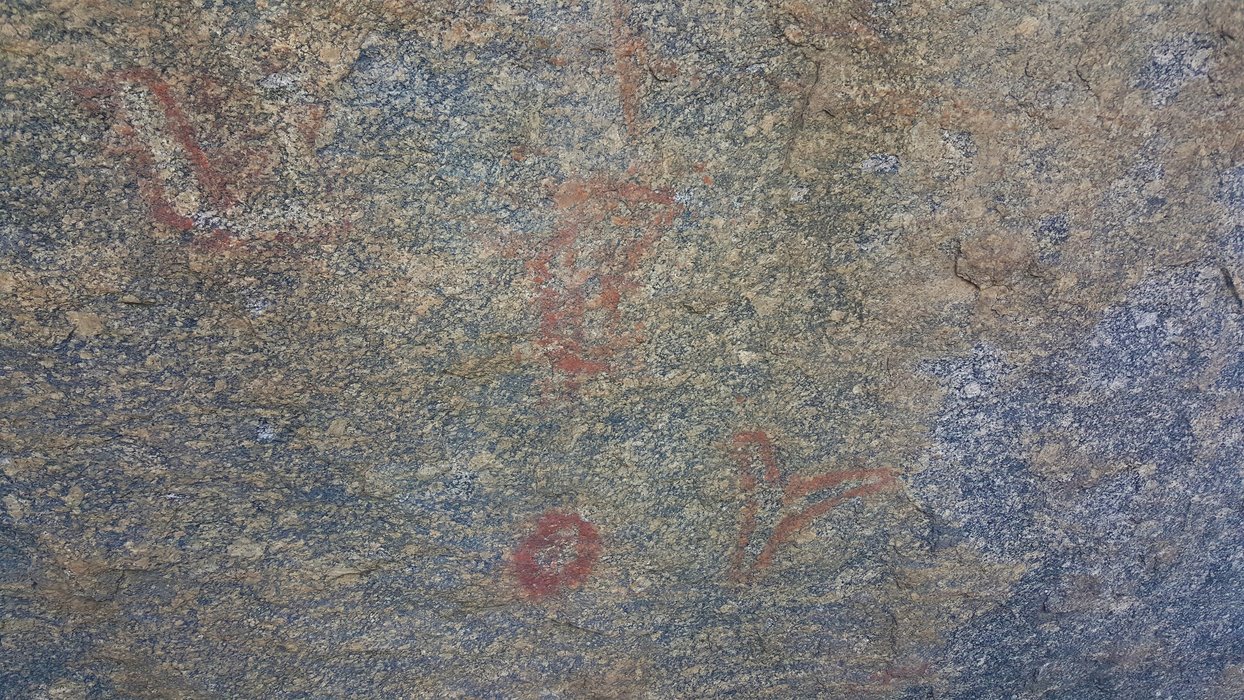
The era which marks the beginning of our ancient ancestors. For millions of years, humans survived in the wild; hunting and gathering using only the most basic stone tools, sticks and spears.
The Paleolithic
Western Hunter-Gatherers
15K
BC
-
6000
BC
Early Stone Age
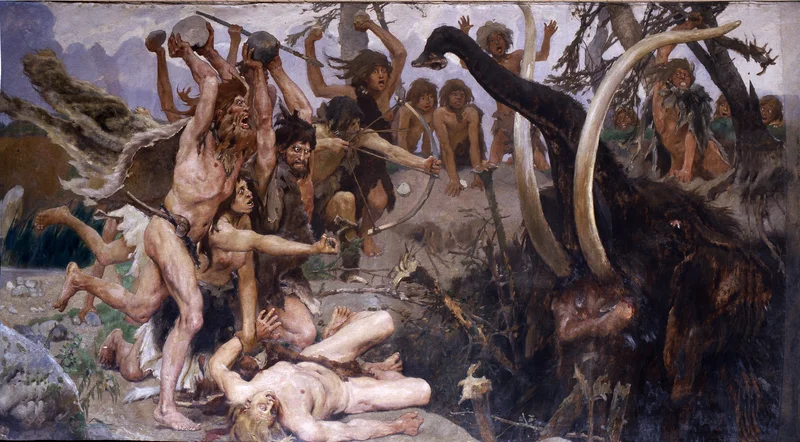
Semi-nomadic peoples who expanded across Europe after the last ice age. Armed with stone tools and wooden longbows, they overcame cold climates and massive predators to pass their legacy down to the modern day.
The oldest surviving lineage of Europe
Late Stone Age
10K
BC
-
3300
BC
Era
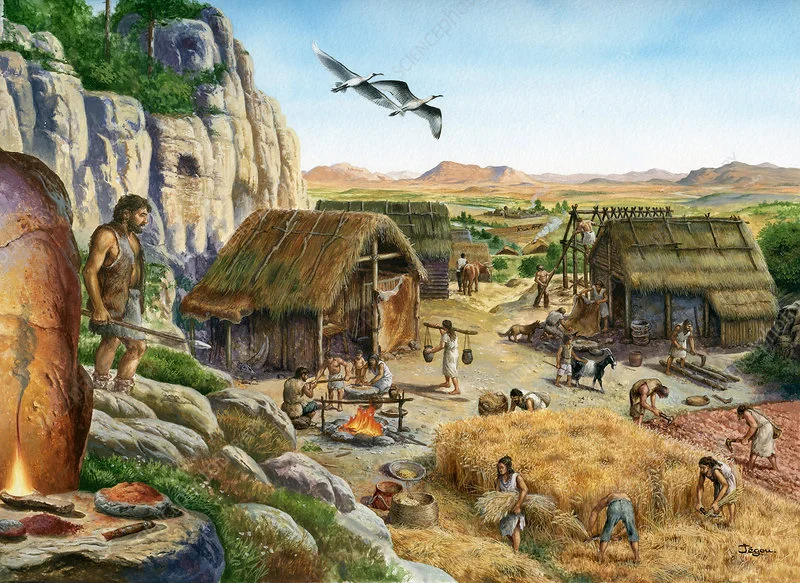
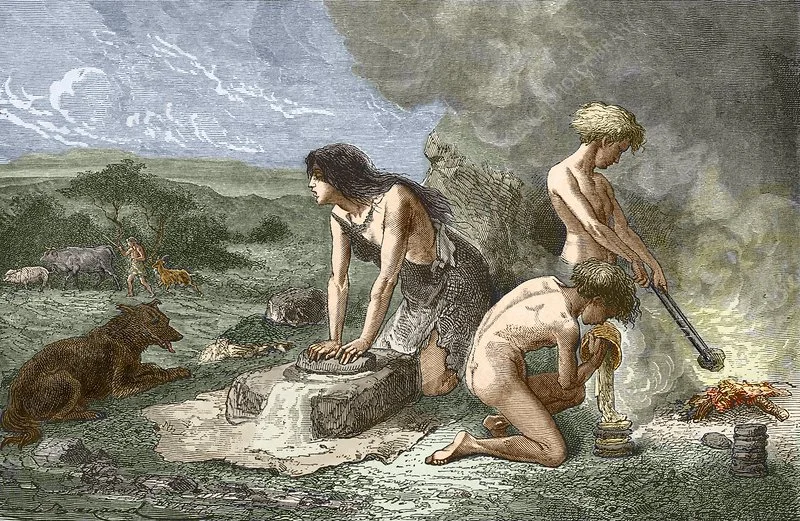
When humans learned to grow their own food, everything changed. In Europe, early farmers arrived from the east and overtook the hunter-gatherers, clearing the wild forests to farm their food instead of hunt for it.
The Neolithic
Early European Farmers
7000
BC
-
3000
BC
Late Stone Age
Introduced farming and domesticated animals to Europe from the Near East. They cleared vast forests for pastures, squeezing the hunter-gatherers out of their ancient grounds and claiming the wild territory for their own fixed villages.
Originated from Anatolia

Indo-European Herders
3300
BC
-
1500
BC
Bronze Age
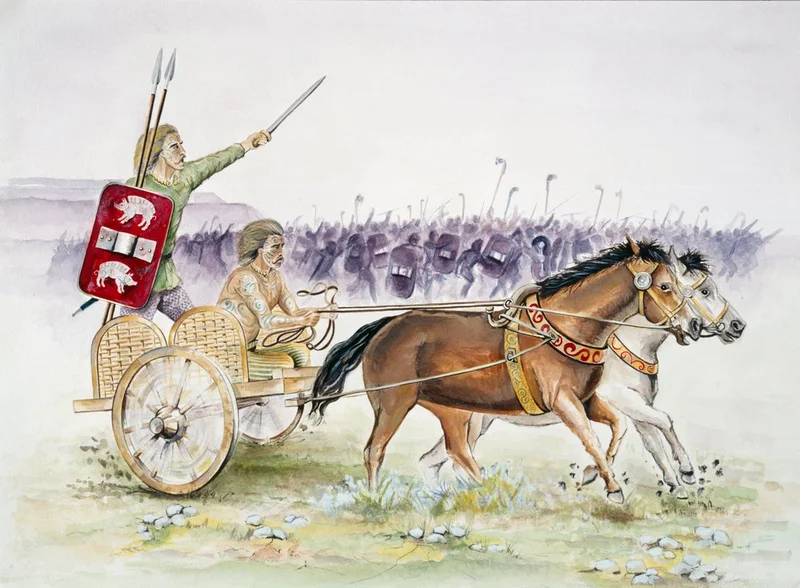
Nomadic people who came from the vast grasslands of Eastern Europe. They conquered Europe and Asia using the wheel, horse-riding, bronze weapons, and a strong warrior culture.
On the steppe, livestock demand pasture. Fresh pasture begets migration, and migration begets war.
The Bronze Age
3300
BC
-
1200
BC
Era
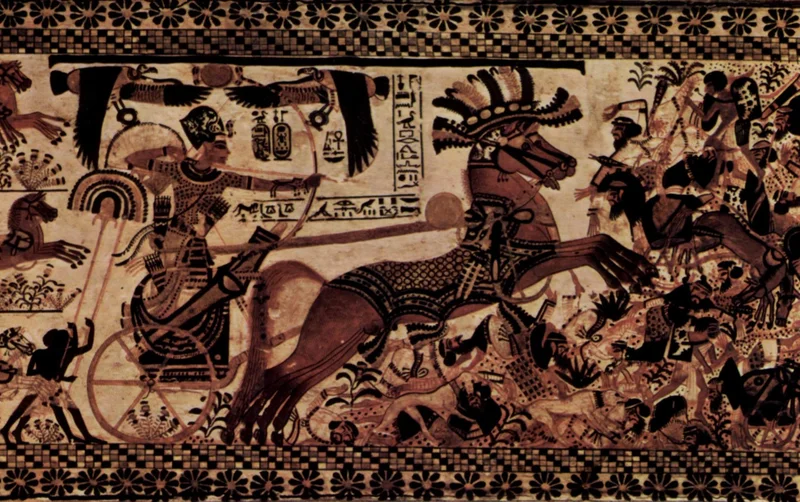
When humanity discovered a new metal by fusing copper and tin, everything changed. Bronze led to people having reliable tools for farming, deadly weapons for war, trading systems for metals and larger populations. These combined to create grand civilizations never seen before.
Minoans
3000
BC
-
1100
BC
Bronze Age
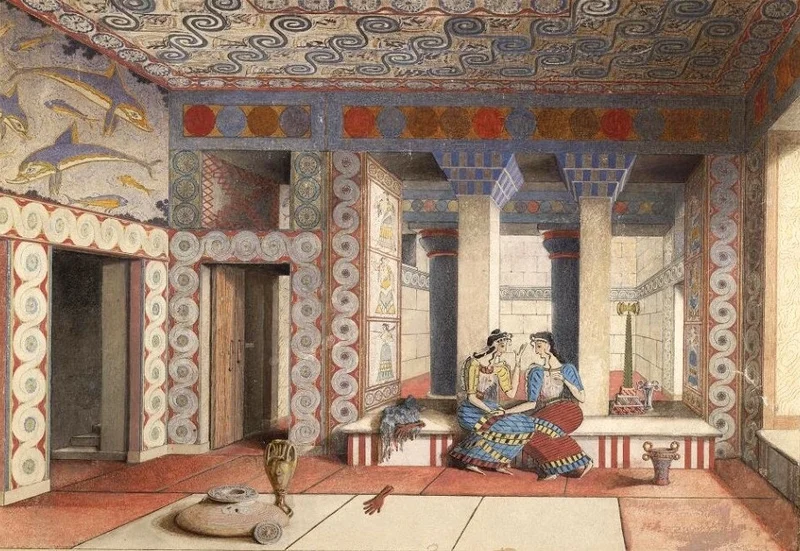
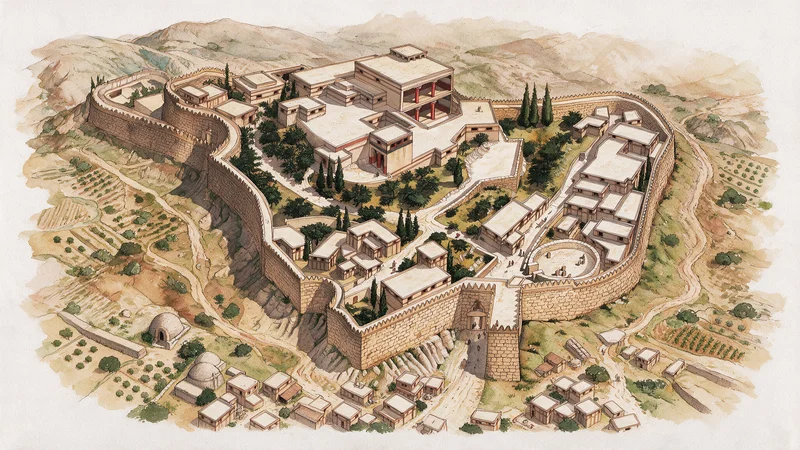
Created Europe's earliest high civilization on the large Mediterranean island of Crete. They were seafarers with advanced architecture, writing and trade which heavily influenced the Ancient Greeks.
Descendents of the Early European Farmers
Mycenaeans
1600
BC
-
1100
BC
Bronze Age
Inspired by the Minoans, these proto-Greeks forged mainland Europe's first militaristic civilisation. Glorifying war and heroism, they formed the early basis for Ancient Greek culture before the Bronze Age Collapse.
Descendents of the Indo-European Herders
Phoenicians
1500
BC
-
300
BC
Near East
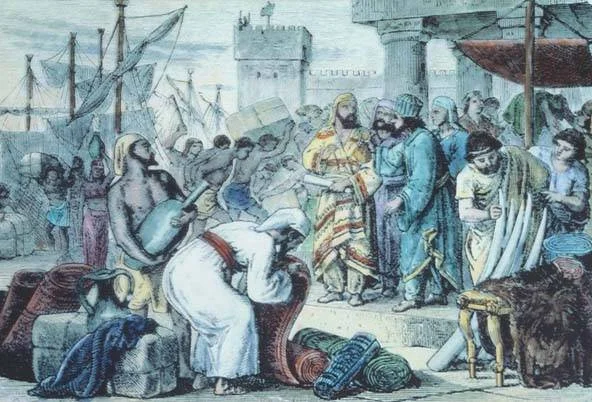
Near-Eastern seafarers who dominated Mediterranean trade through their network of coastal colonies. They replaced ancient, clunky writing with a 22-letter phonetic alphabet which their Greek and Roman trading partners later adopted.
The word 'Phonics' comes from 'Phoenicians'
Bronze Age Collapse
1200
BC
-
1150
BC
Bronze Age
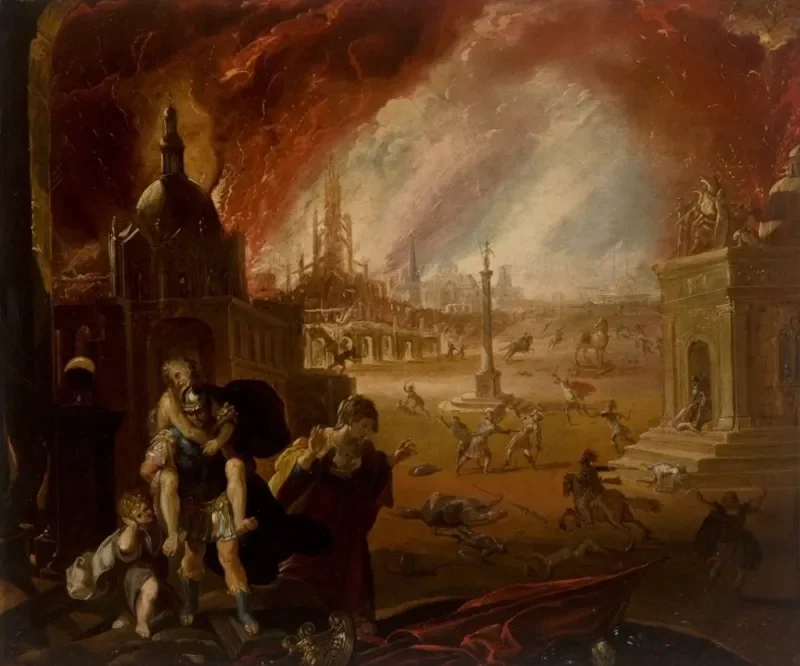
The dramatic end of the Bronze Age Civilizations in the Mediterranean. Droughts, famines, internal rebellions, and so-called Sea People invaders all combined to trigger a domino effect. Empires collapsed and writing systems vanished, plunging humanity into a chaotic dark age.
Israelites
1200
BC
-
586
BC
Near East
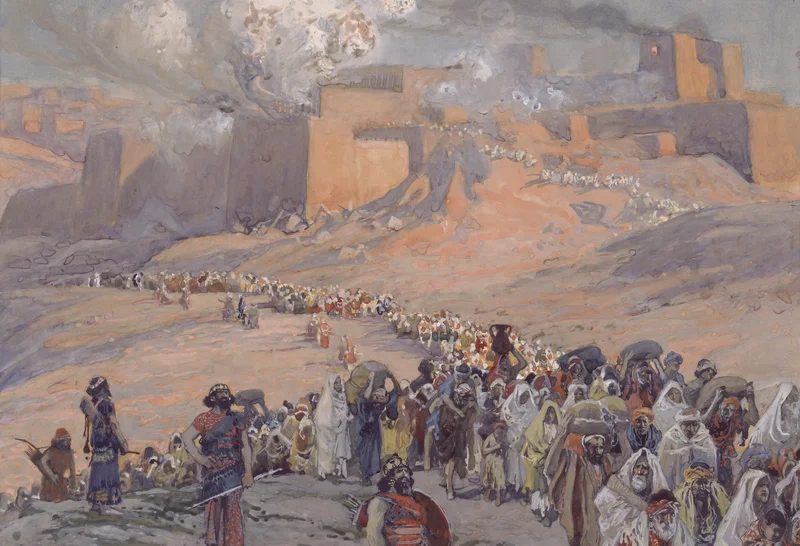
The peoples who built the Kingdoms of Israel and Judah, which were conquered by the Babylonians and Assyrians. With their temples destroyed, they remade their faith into Judaism, which they practiced in exile.
Judaism eventually branched into Christianity
The Trojan War
1200
BC
Ancient Greece
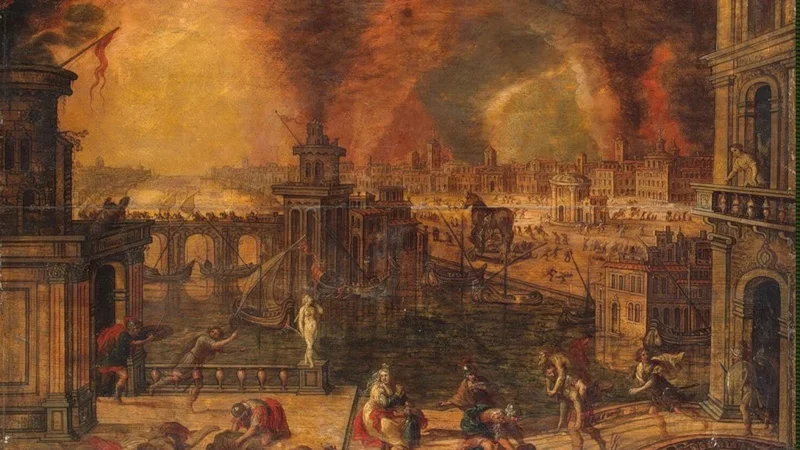
The fabled war fought by the early Greeks against the city of Troy. The heroic stories told about the Trojan War became famous Greek legends, inspiring the ancient world for centuries.
"Always be the best, and superior to others." -Illiad
The Iron Age
1200
BC
-
500
BC
Era
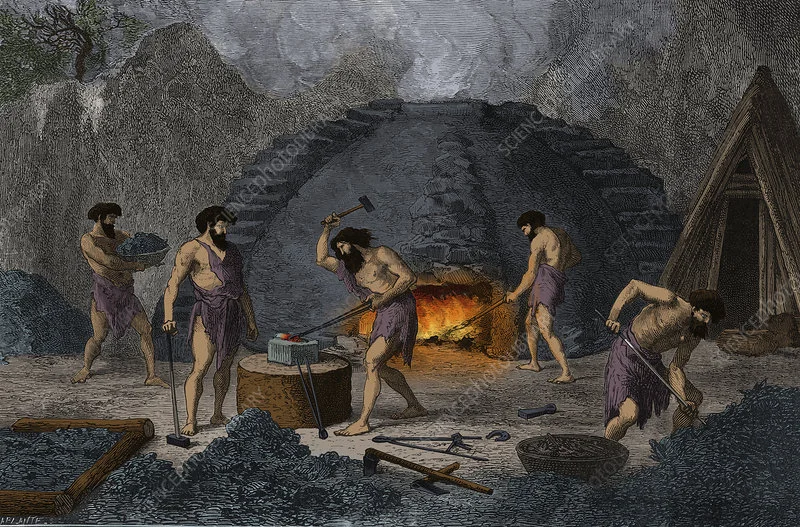
The mastery of iron brought civilization back from the Bronze Age Collapse. Those who unlocked its potential were able to farm, fight and expand more efficiently than ever before, leading to a new era in history.
Iron is strong and abundant, allowing for the reliable production of tools and weapons at scale.

The Greek Dark Age
1180
BC
-
800
BC
Ancient Greece
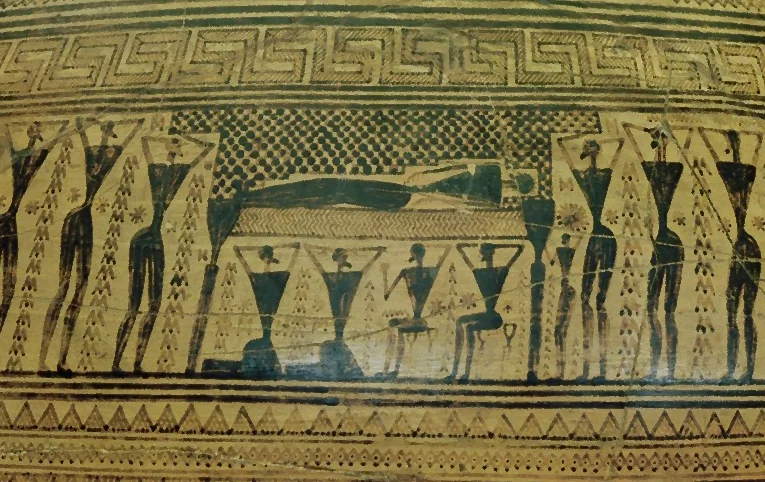
After the Bronze Age Collapse, Greek society decentralised into small, isolated farming communities ruled by local chieftains. Though the old world had collapsed, a new Greek world was slowly born through the creation of their famous city-states.
Mycenaean Greece collapsed into Archaic Greece
Sparta
900
BC
-
192
BC
Ancient Greece
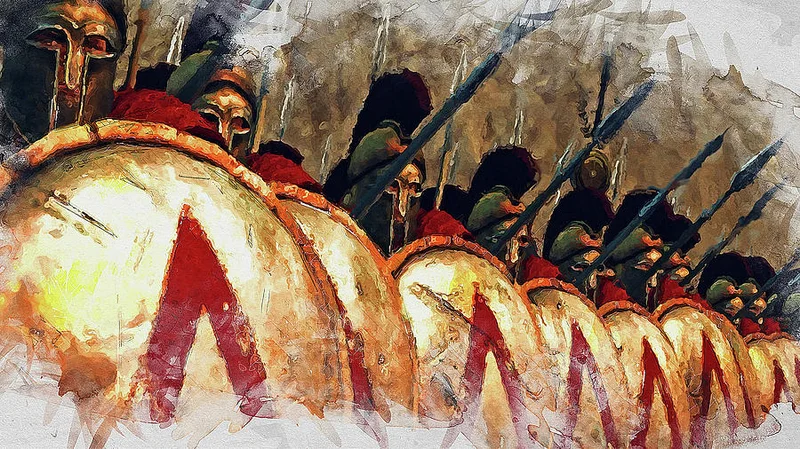
The militaristic rival of Athens. Built on discipline, courage, and willpower, Sparta forged warriors who stood as an unbreakable wall in battle.
Athenians focused on mind and art, Spartans focused on discipline and strength
Athens
900
BC
-
86
BC
Ancient Greece
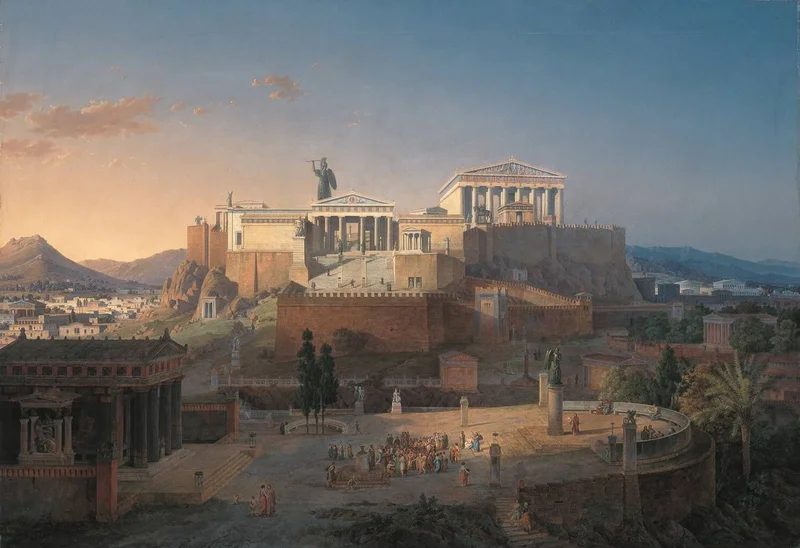
The legendary city-state of the ancient world. Its legacy of democracy, philosophy, architecture and culture still prevails today.
Birthplace of Western Civilisation
Carthage
800
BC
-
146
BC
Civilisation
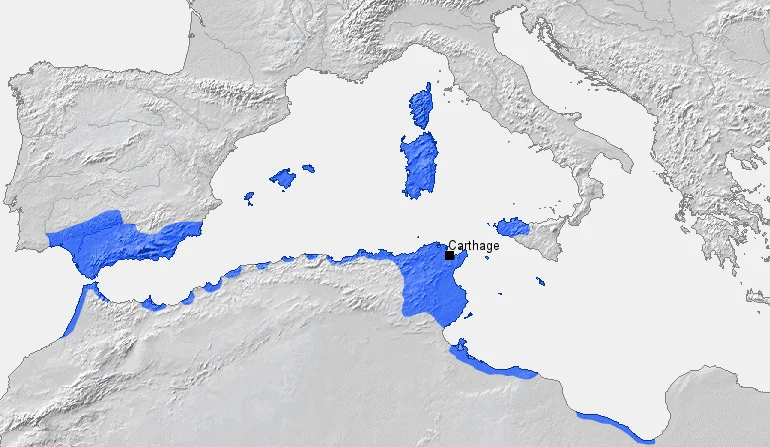
Began as a trading colony founded by the Phoenicians. Eventually, it grew into an independent empire which controlled the Mediterranean, becoming Rome's great rival and clashing with them in the Punic Wars.
Capital of the Carthigian Empire
Antiquity
776
BC
-
476
AD
Era
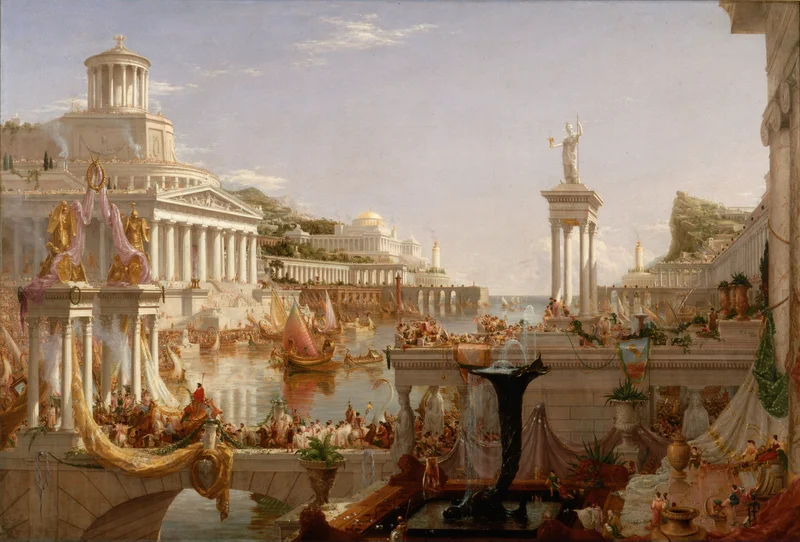
The birth of Ancient Greece to the fall of Ancient Rome.
The monuments fell. The ideas endured.
Kingdom of Rome
753
BC
-
509
BC
Antiquity
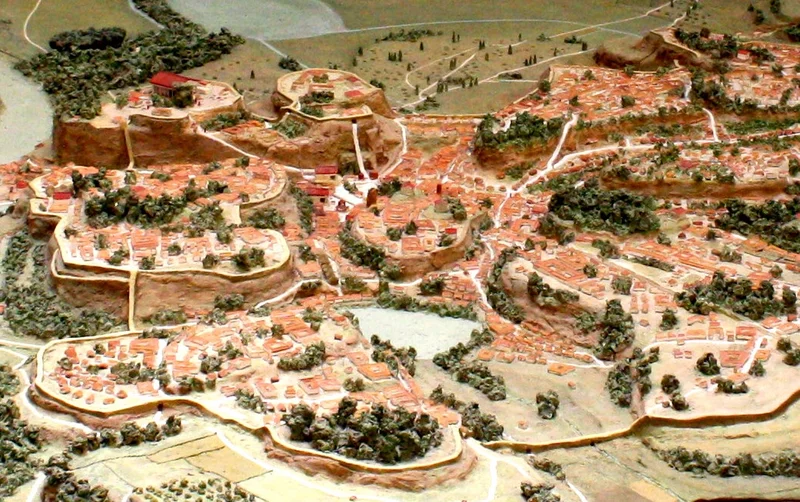
Rome began as a small kingdom founded by the fabled King Romulus. After more than 200 years of monarchy, a tyrannical king came, and the Romans overthrew him. When they did, they decided to be ruled by a group of leaders rather than a single man.
Rome became a Republic
Homer
750
BC
-
700
BC
Ancient Greece
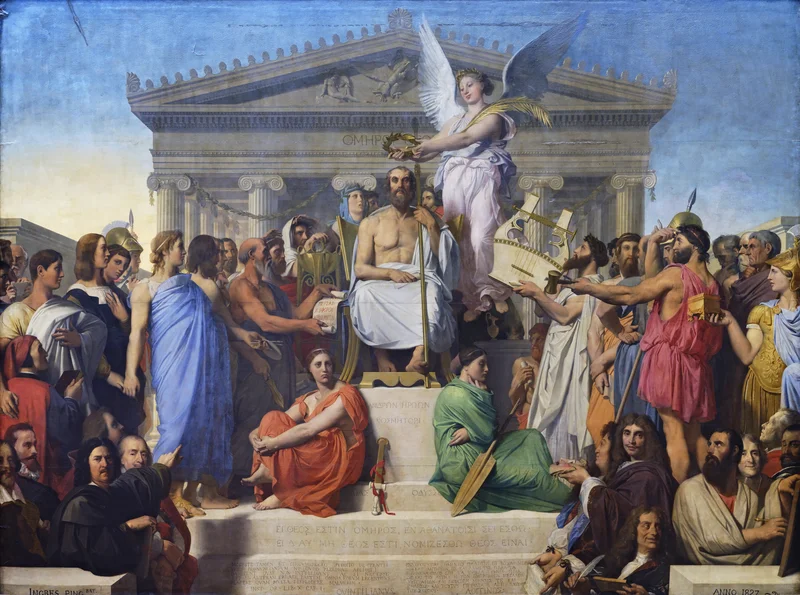
The mythic storyteller whose epic tales inspired the Greeks to be heroic and courageous.
Author of The Illiad and The Odyssey
Judeans
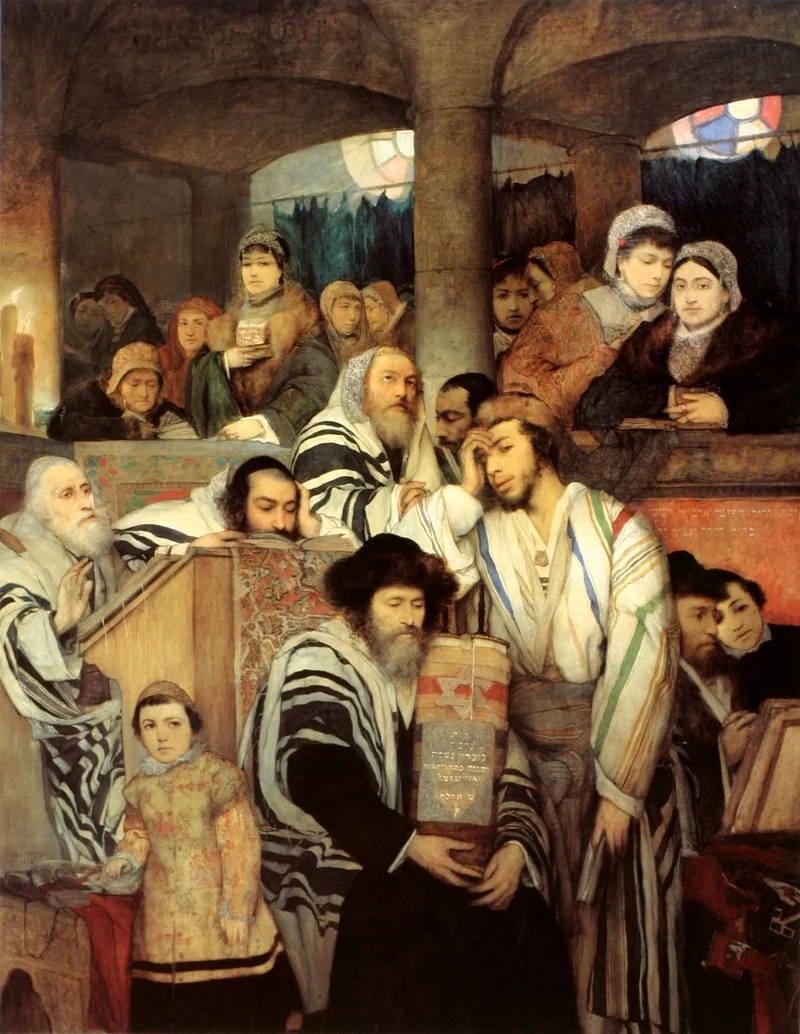
586
BC
-
Present
Near East
A people freed from Babylonian rule when the Persians conquered Babylon. They were then sent by the Persian King to build a Second Temple in Judea. Rome later destroyed this temple, and they became exiles once again.
Settling worldwide as a diaspora, they later became known as Jews
Persian Empire
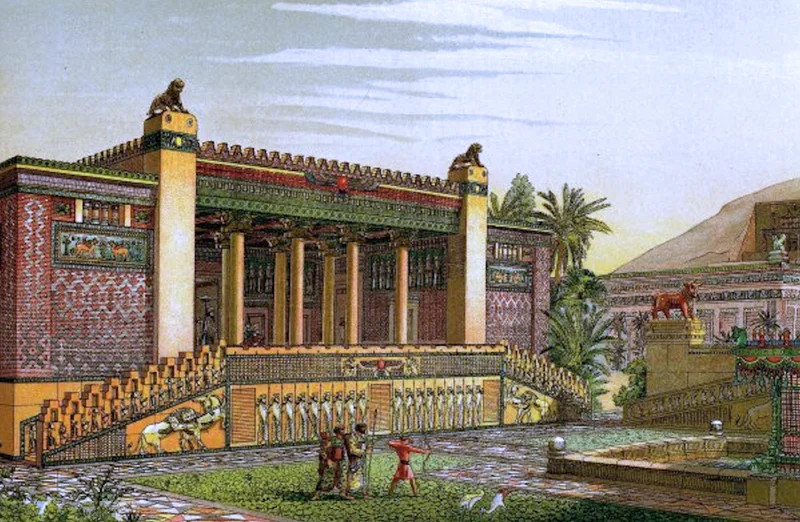
550
BC
-
330
BC
Near East
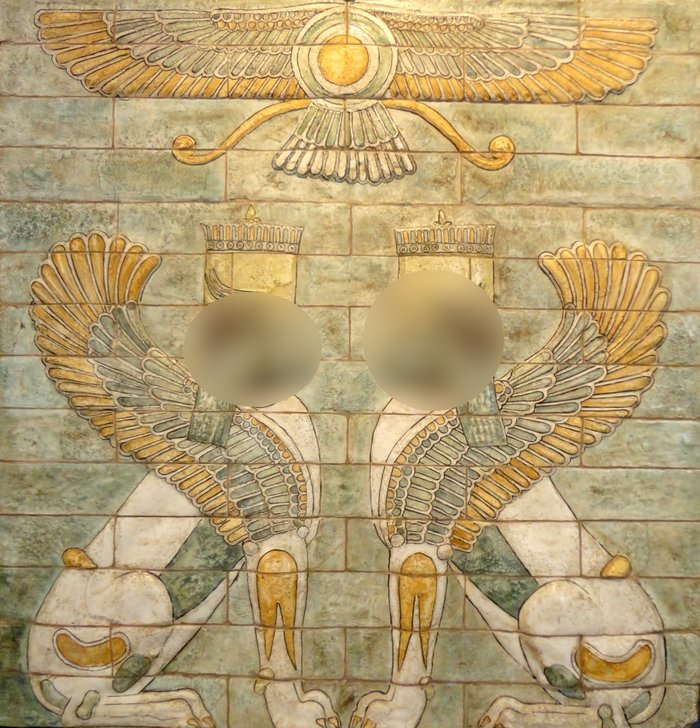
The largest empire the ancient world had yet seen, stretching from Egypt to India. They ruled a vast domain by allowing conquered peoples to practice their own customs, creating a powerful empire that would ultimately clash with ancient Greece.
Roman Republic
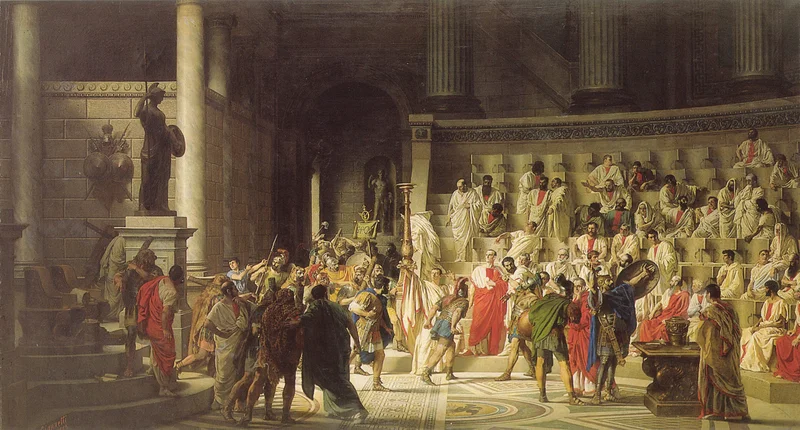
509
BC
-
27
BC
Antiquity
Began when the Romans overthrew their tyrannical king. As a Republic, decisions were made by selected leaders and citizens alongside a senate instead of by a single man.
Caesar believed the republic had become corrupt and that only centralised power could save Rome.
The Persian Wars
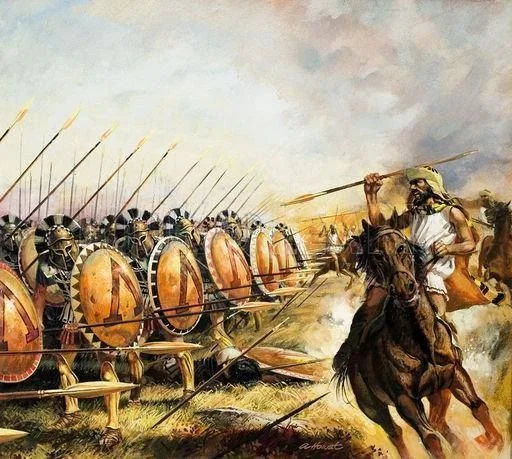
499
BC
-
449
BC
Antiquity
Greece was a collection of independent city-states until Persia invaded. When Persian King Xerxes launched a massive assault to crush the Greeks, they famously unified and defeated the Persian army, securing their freedom and inspiring the Golden Age of Athens.
Spartans by land, Athenians by sea
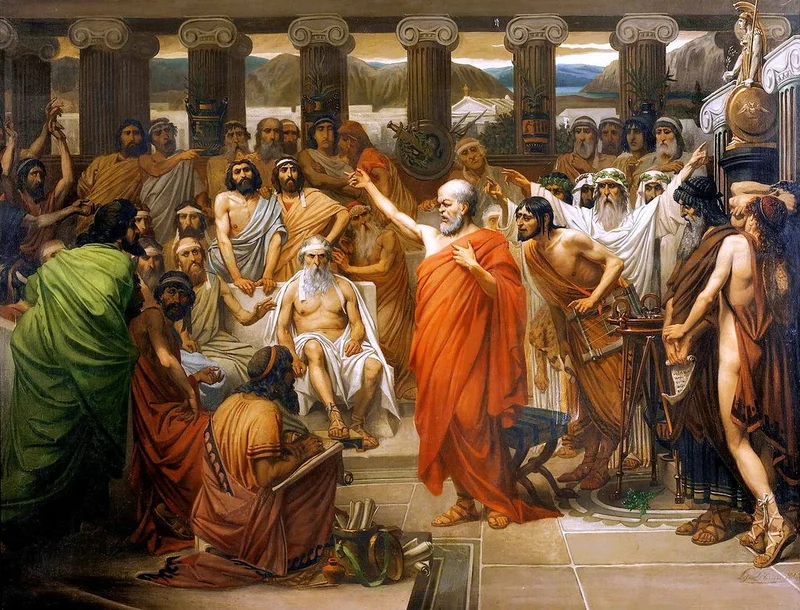
Socrates
470
BC
-
399
BC
Ancient Greece
The famous teacher who challenged people to think by relentlessly asking questions instead of just giving answers.
Condemned for asking questions the powerful could not answer.
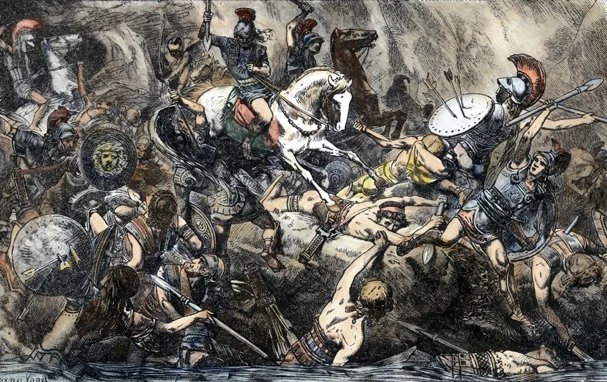
The Peloponnesian War
431
BC
-
404
BC
Ancient Greece
Although Athens and Sparta briefly united to stop Persia's invasion, they became bitter rivals afterwards. The two cities fought a great war where Athens was defeated, bringing its Golden Age to an end.
In a great twist of irony, Persian gold helped Sparta defeat Athen's famous fleet at sea.
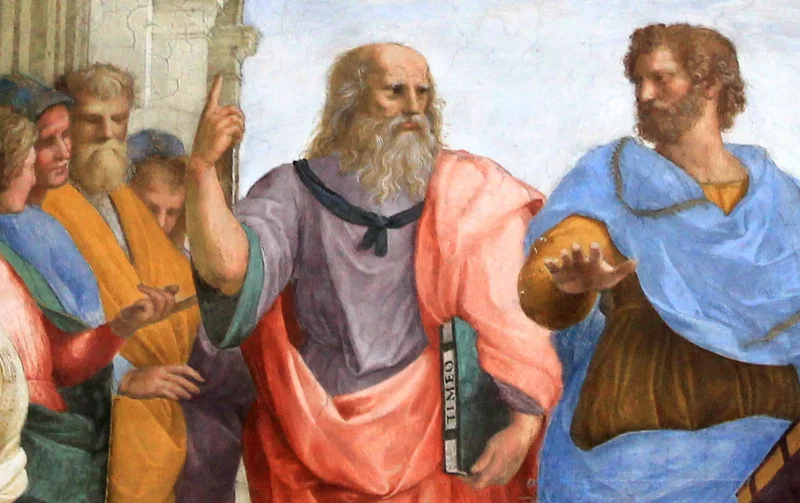
Plato
427
BC
-
347
BC
Ancient Greece
Imagined a perfect world that exists beyond what we can see. He believed this world should help guide us forward.
Author of The Republic, where wisdom guides the state
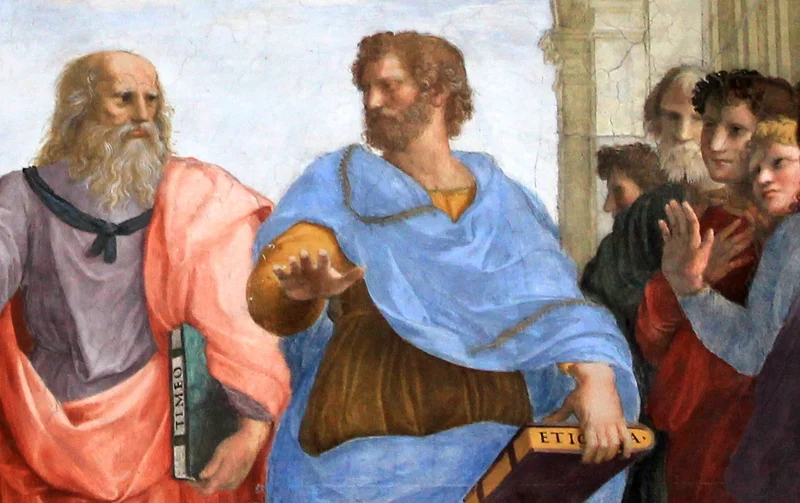
Aristotle
384
BC
-
347
BC
Ancient Greece
The pragmatic student of Plato who stayed grounded in the real world rather than idealism. He drew a clear line between finding the truth and winning an argument.
“Every Greek is human, every human is mortal, so every Greek is mortal”. -Aristotle
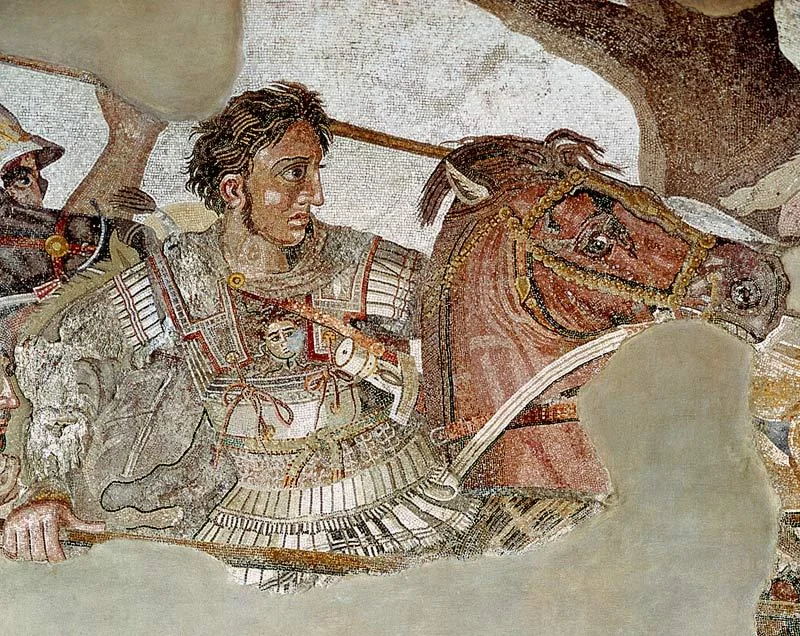
Alexander the Great
356
BC
-
323
BC
Ancient Greece
Conquered much of the known world without losing a single battle. Bravely leading his army from the front, he defeated the Persian Empire and spread Greek culture far and wide, bringing in the Hellensitic Age.
Inspired by Homer, tutored by Aristotle
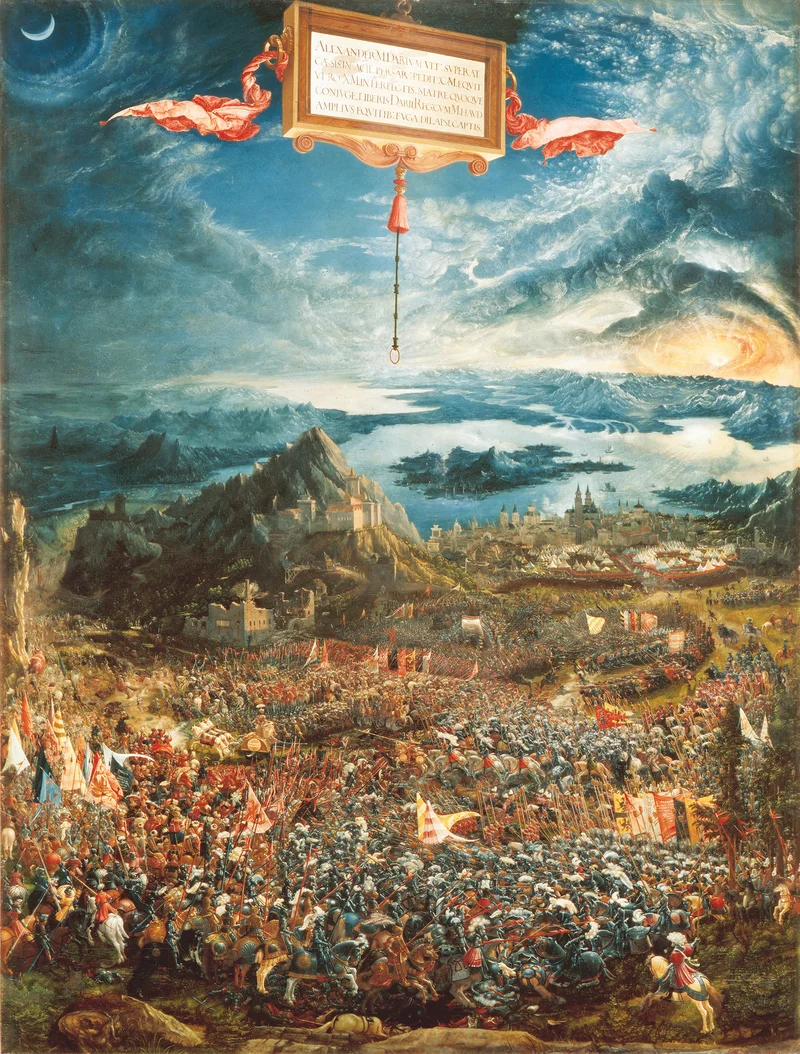
The Hellenistic Age
323
BC
-
31
BC
Antiquity
Alexander the Great's conquests were so successful that they brought in a new era of Greek influence and power. The Hellenistic age lies in the middle of antiquity, between the peaks of Ancient Greece and Ancient Rome.
From the Mediterranean to the Middle East
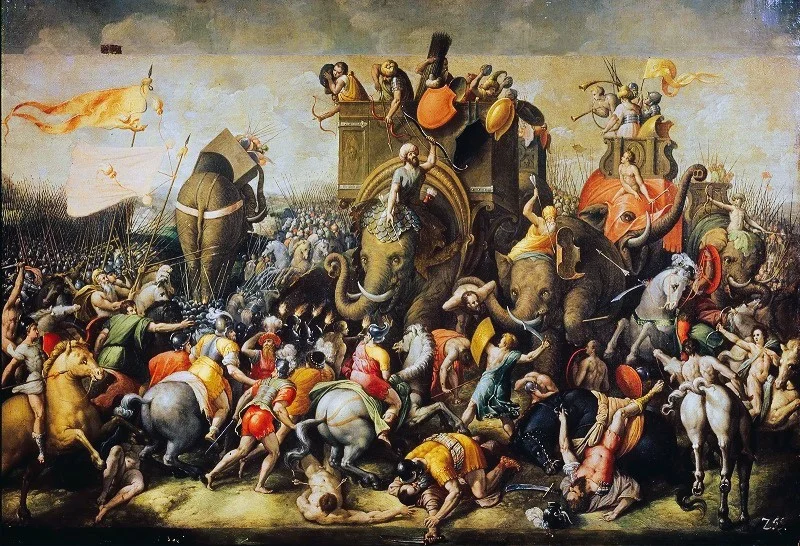
The Punic Wars
264
BC
-
146
BC
Roman Republic
Carthage was the main power of the western Mediterranean until Rome rose and challenged them. After more than a century of fighting, Rome prevailed, destroying Carthage and becoming dominant in the region.
Carthage famously fought with elephants, while Rome essentially built a navy from scratch
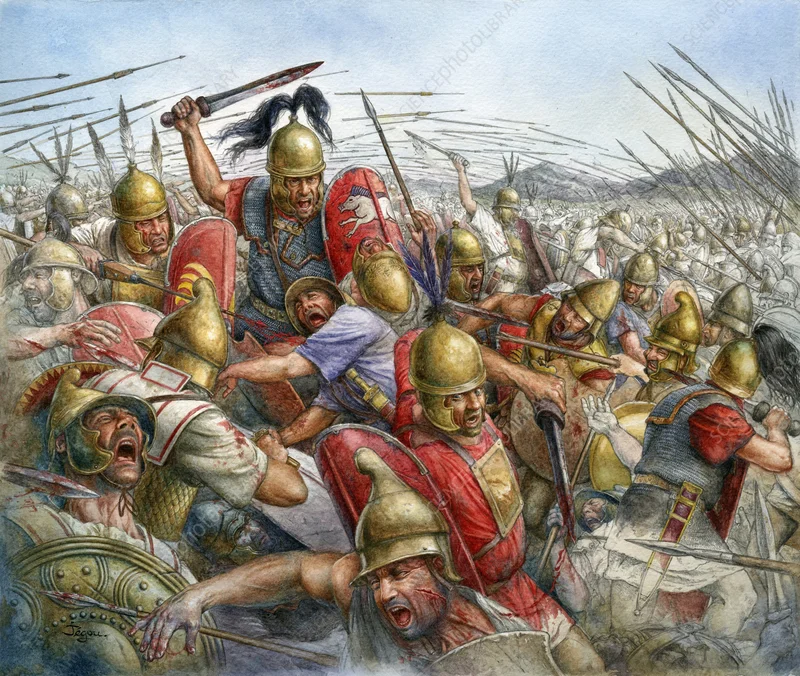
The Macedonian Wars
214
BC
-
148
BC
Roman Republic
Macedon became the strongest Greek state in the Hellenistic Age. Meanwhile, Rome also grew stronger and began conquering the divided Greeks one-by-one. When Rome then defeated Macedon, it marked the beginning of the end for Greek independence.
Despite defeat, Greek ideas forever shaped Rome
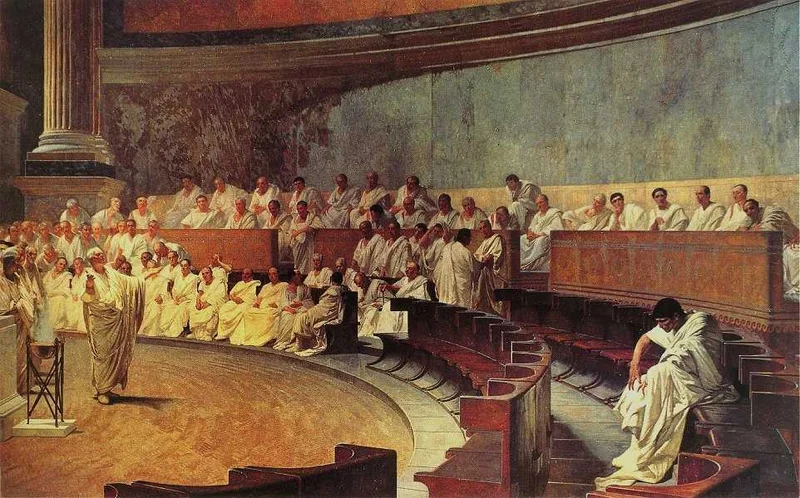
Cicero
106
BC
-
43
BC
Roman Republic
A senator who encouraged Romans to not only act for themselves, but for the good of Rome as a whole. He stood against the rise of tyranny in the final days of Rome’s Republic.
Executed by Mark Antony. who sought to control Rome
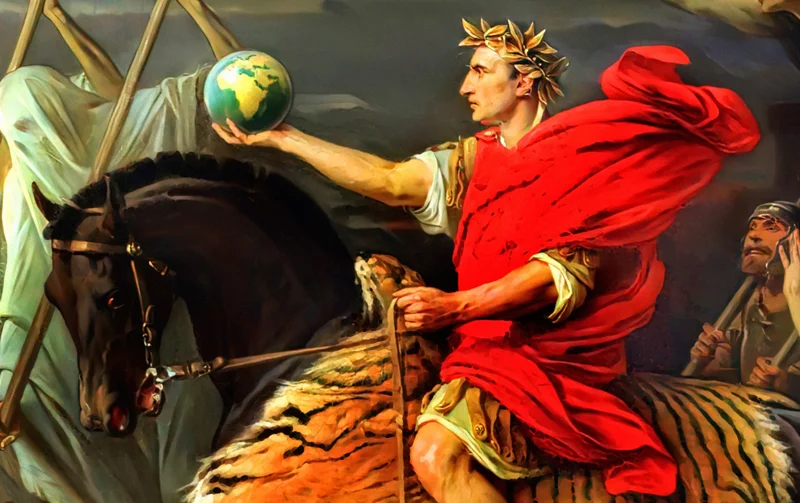
Julius Caesar
100
BC
-
44
BC
Roman Republic
The Roman commander who conquered Gaul before turning his army on Rome itself. Caesar defeated the senate's forces and declared himself dictator for life. He was assassinated shortly afterwards by senators who feared his growing power.
“The die is cast.” -Caesar, crossing the Rubicon
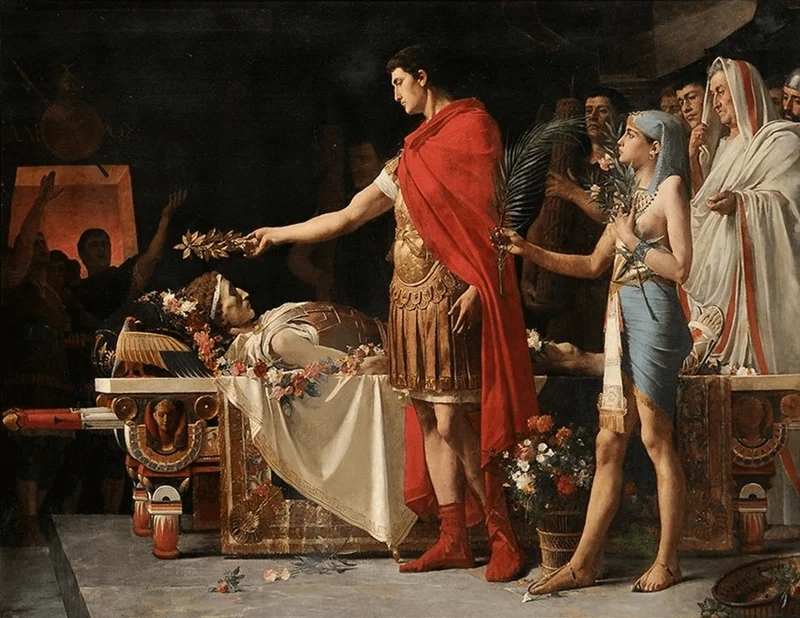
Augustus
63
BC
-
14
AD
Roman Empire
After Caesar’s death, Augustus defeated his rivals Mark Antony and Cleopatra to become the first Emperor of Rome in 27 BC. His reign brought Pax Romana, a period of stability which lasted for centuries.
Great-nephew of Caesar, heir to his name and will
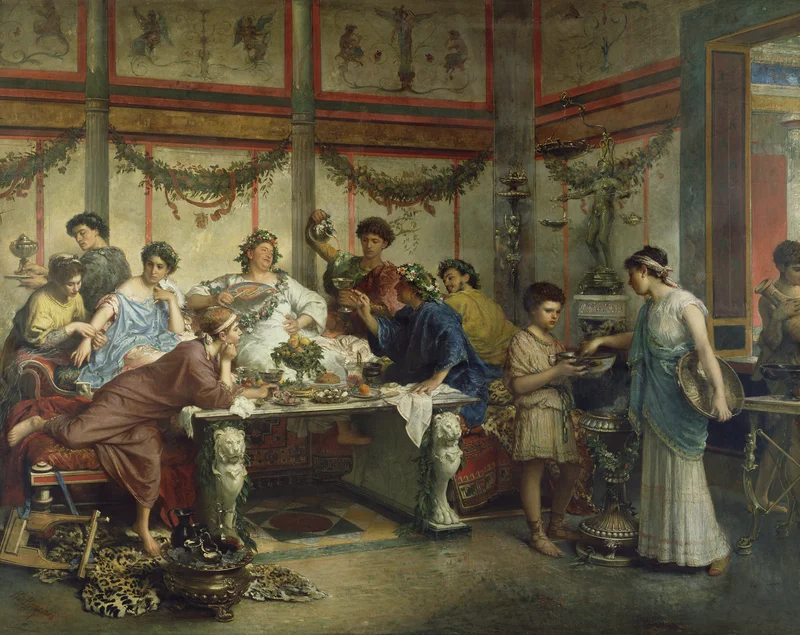
Pax Romana
27
BC
-
180
AD
Roman Empire
A long period of peace and prosperity following the rule of Augustus, the first Roman emperor. Trade routes expanded, building projects reshaped cities, and Roman culture spread across the Mediterranean.
“I found Rome built of bricks; I leave her clothed in marble.” -Augustus
Roman Empire
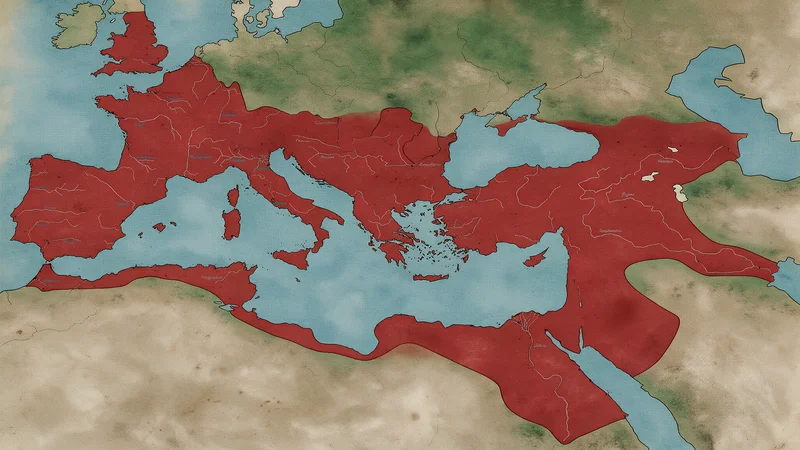
27
BC
-
476
AD
Antiquity
Rome collapsed into civil war after Caesar tried taking power. After nearly a century of fighting, Augustus emerged victorious, transforming Rome into an empire. Rome reached the peak of its power as an empire before eventually collapsing.
The Republic gave way to a single Emperor
Arminius
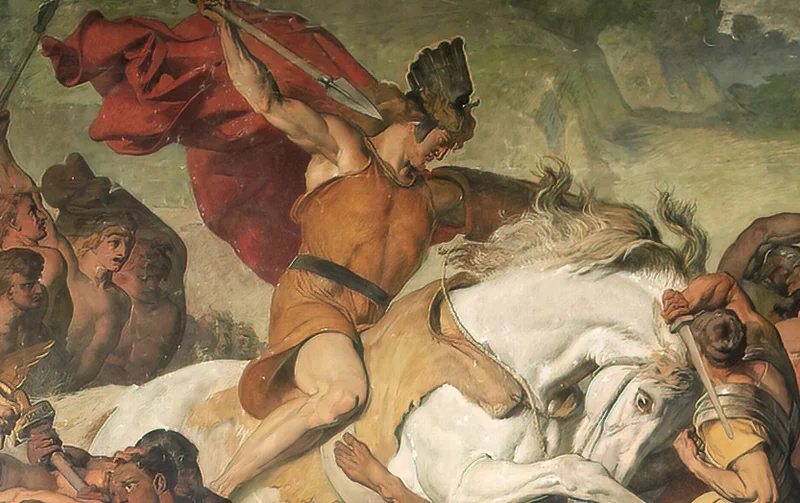
18
BC
-
21
AD
Germania
The son of a Germanic chieftan, Arminius was raised and trained as a Roman officer. He secretly united Germanic tribes and lured the Roman legions into a deadly ambush at the Battle of Teutoburg Forest.
Liberator of Germania.
Titus
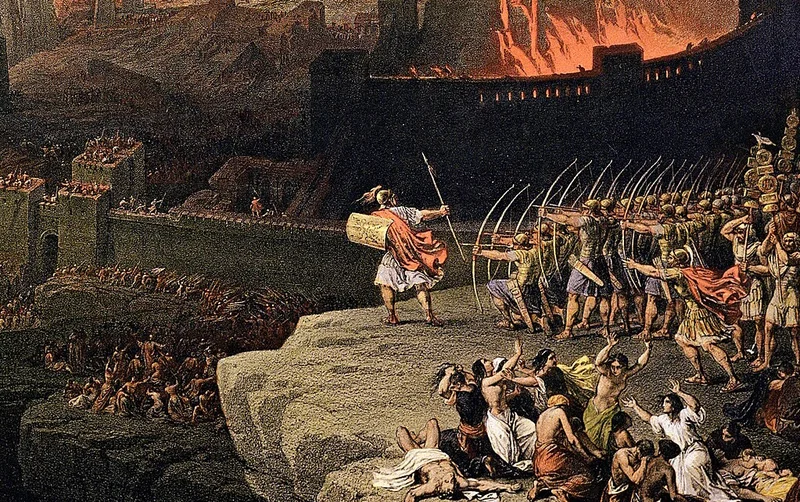
39
AD
-
81
AD
Roman Empire
The military leader who defeated the Jewish revolt against Roman rule. In victory, he destroyed Jerusalem and their beloved Second Temple.
Jews would resent Titus and the Romans for many years thereafter.
Tacitus
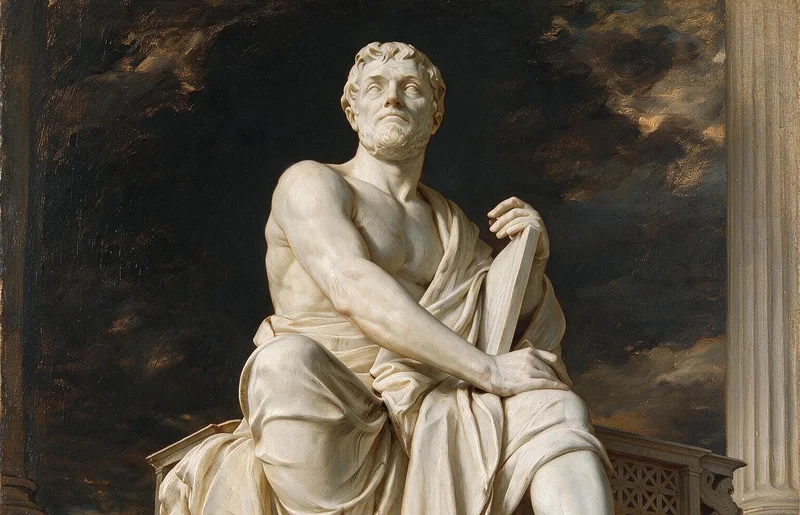
56
AD
-
120
AD
Roman Empire
The early historian whose writings teach us much about ancient Europe. He wrote about Roman emperors, the Germanic peoples and early Christians.
His famous book Germania describes the Germanic way of life before Roman influence took hold.
The Roman-Jewish Wars
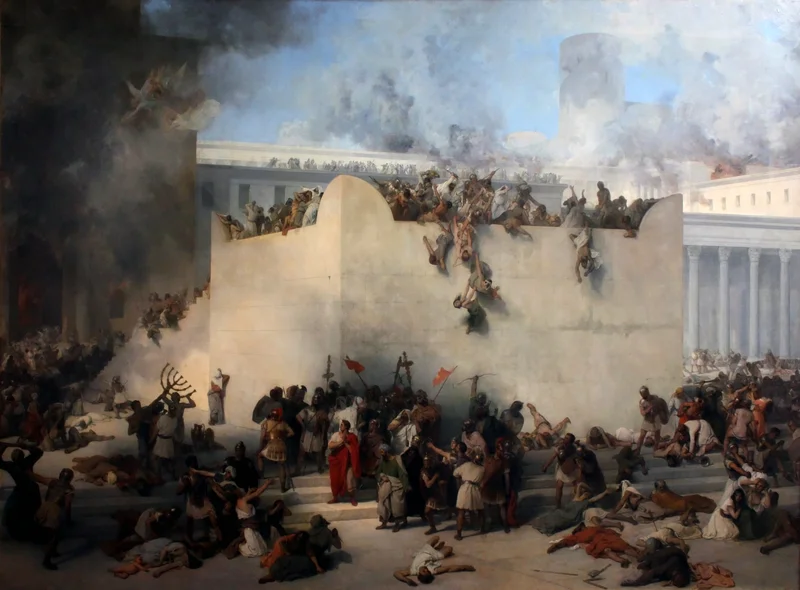
66
AD
-
135
AD
Roman Empire
Judea was briefly an independent Jewish state, until the Roman general Pompey captured it. Years later, Jews rebelled to try and restore their freedom, but the Roman general Titus crushed their resistance and destroyed their Second Temple.
Jews once again become a dispersed minority.
Hadrian
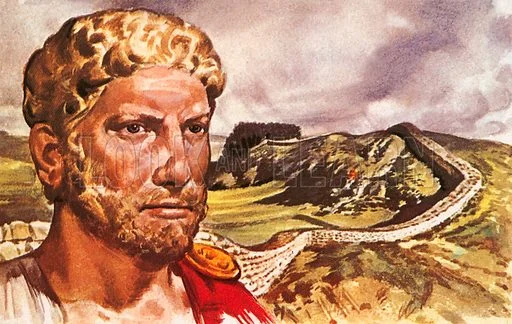
76
AD
-
138
AD
Roman Empire
The Roman Emperor who came after a series of rulers which expanded the empire. He focused on building projects and protecting the empire’s borders.
The famous Hadrian’s Wall still stands between England and Scotland to this day.
Goths
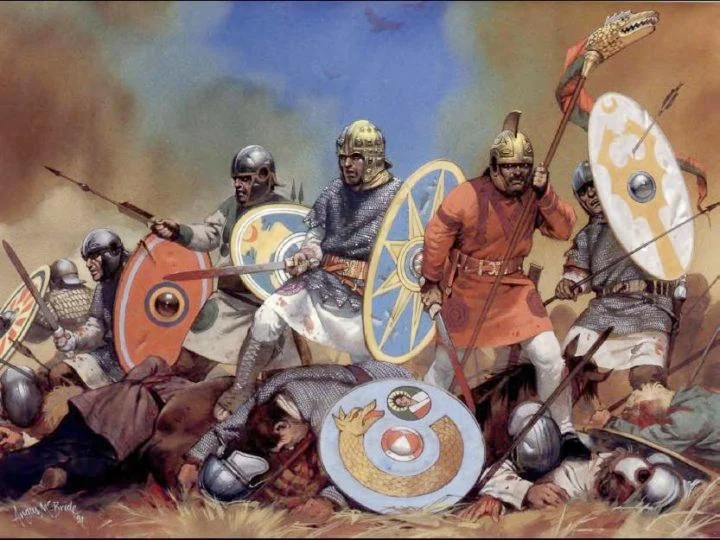
100
AD
-
711
AD
Germania
A large Germanic people from northern Europe who split into different groups under pressure from the invading Huns.
From one people came two: the Visigoths of the west and the Ostrogoths of the east.
Constantine the Great
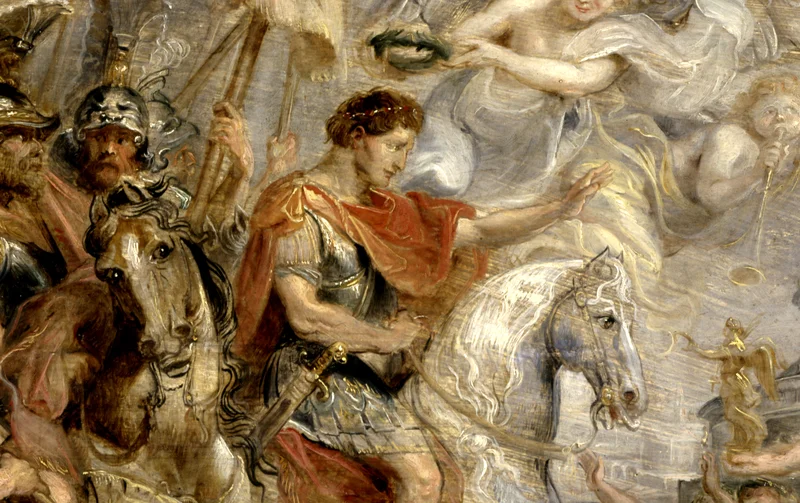
272
AD
-
337
AD
Roman Empire
The first Roman emperor to convert to Christianity, transforming Rome into a Christian state. He founded the city of Constantinople and made it the capital of the Roman Empire.
His capital stood in the East for a thousand years as Rome crumbled in the West
Huns
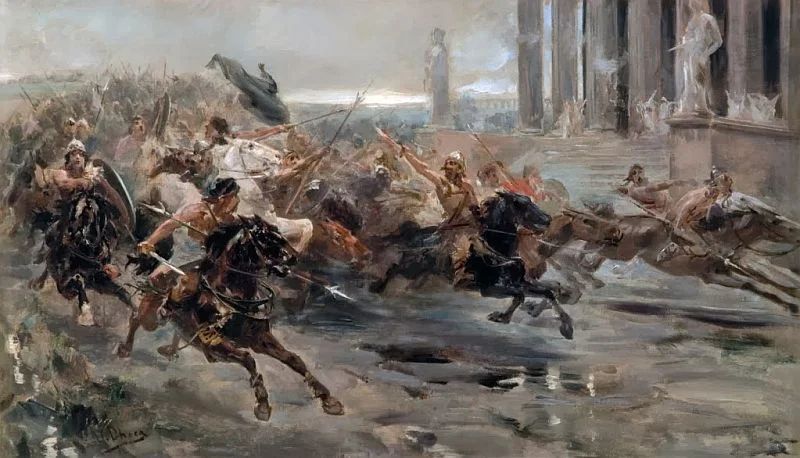
370
AD
-
470
AD
Far East
Nomadic horse-riding archers which originated from Central Asia and invaded Europe from the East. They devastated the region, weakened Rome and forced Germanic tribes to migrate in search of safety.
Brought in the Migration Age
Visigoths
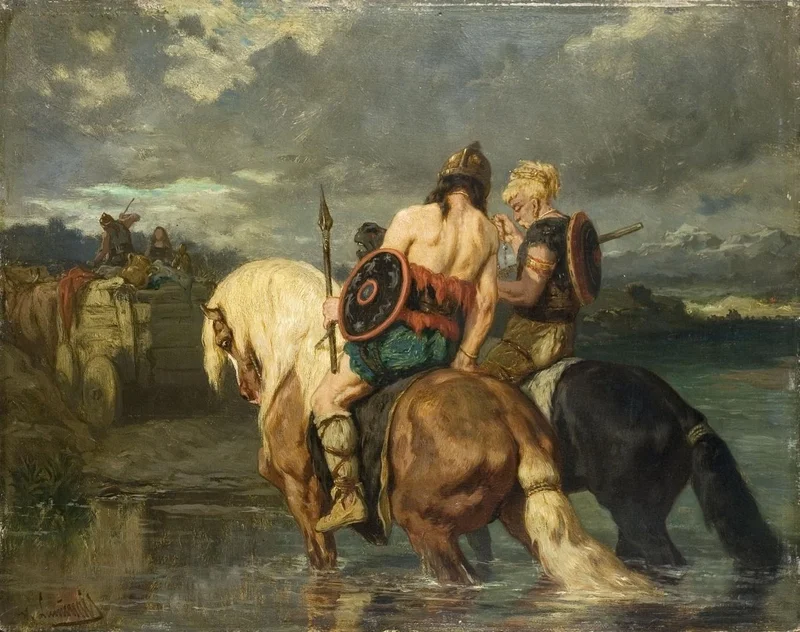
375
AD
-
711
AD
Germania
Fleeing the Huns, this tribe requested refuge within Rome's borders, and refuge was granted. After being exploited by the Romans, they rebelled, sacking Rome and establishing a kingdom on their land.
In granting asylum, Rome sowed the seeds of its own destruction.
Ostrogoths
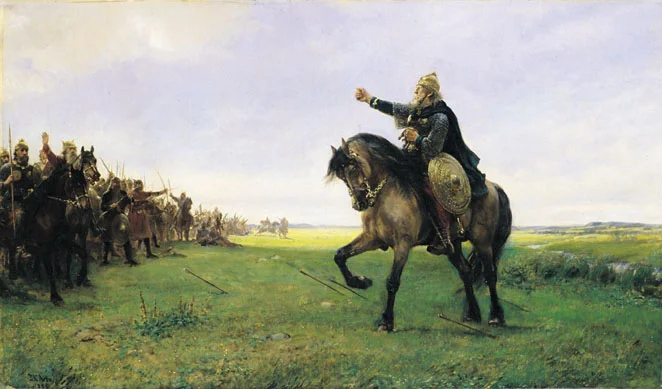
375
AD
-
553
AD
Germania
Freed from Hunnic rule after the death of Attila, the Ostrogoths migrated to Italy to establish a powerful kingdom there. They preserved many Roman traditions while ruling as a new Germanic dynasty.
Eventually ousted by the Byzantine empire in the Gothic War.
Vandals
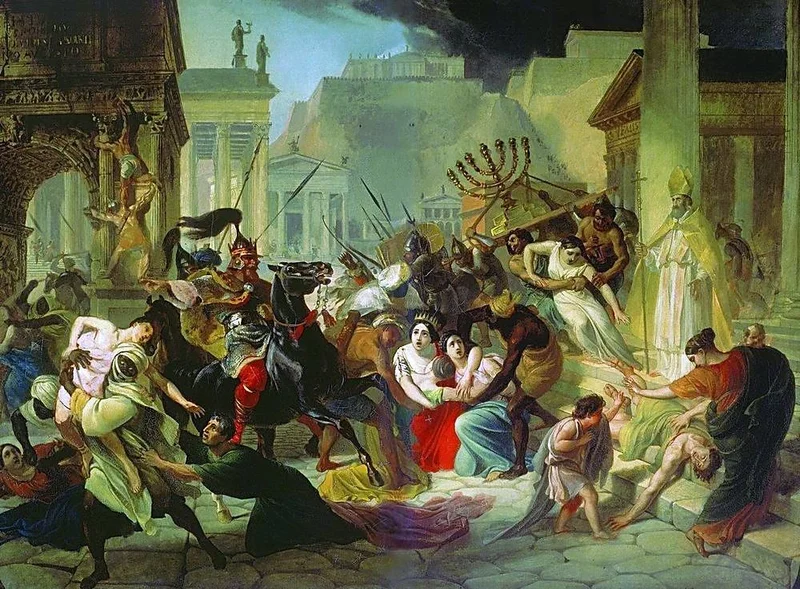
400
AD
-
534
AD
Germania
Uprooted from Central Europe by the Huns, these Germanic raiders invaded Carthage and settled in North Africa. They used Carthage as a launching ground to plunder Rome, but were eventually defeated by the Eastern Roman Empire.
Origin of the word vandalism
Attila the Hun
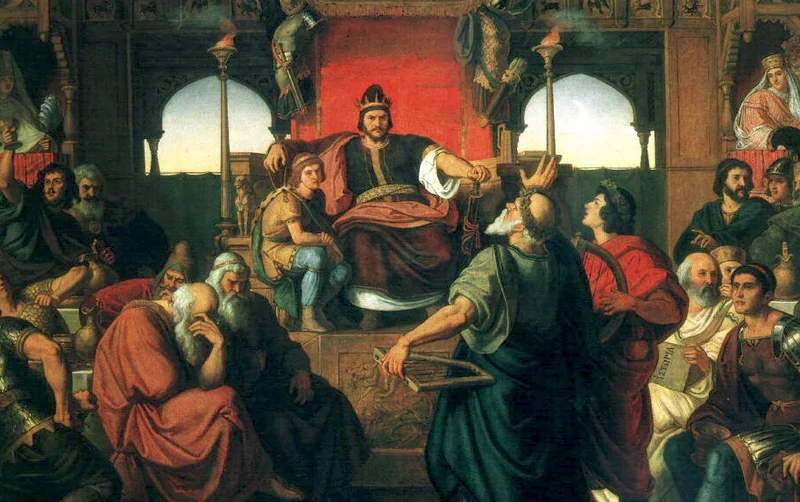
406
AD
-
453
AD
Migration Age
A feared enemy of Rome and Germania. His army invaded Europe from the eastern steppe, and entire tribes fled in search of safety. Romans and Germanics formed an unlikely alliance to stop Atilla, barely defeating him at the Battle of Chalons.
"The Scourge of God"
Anglo-Saxons
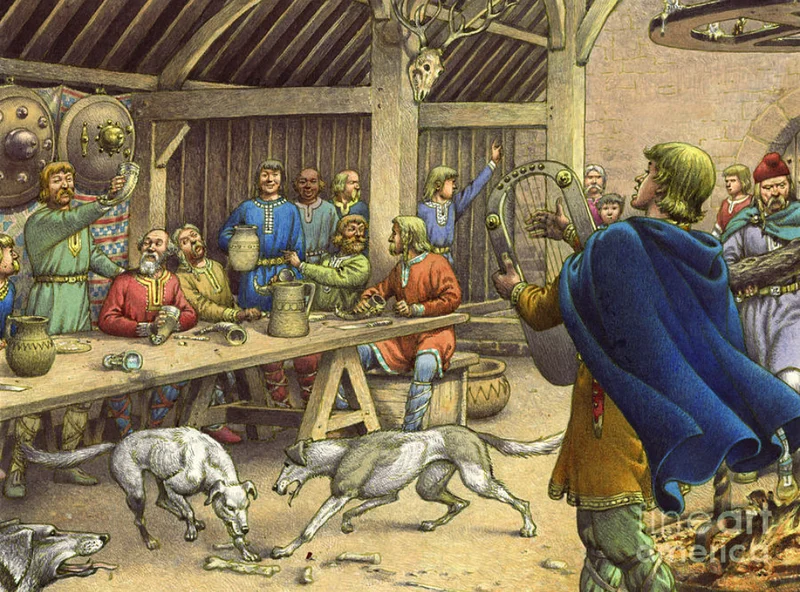
410
-
1066
Germania
Two Northern Germanic groups which settled into England after the Romans left. Initially rivals, they eventually united in response to Viking invasions. They blended to form a new Anglo-Saxon culture which became the basis for England.
Defeated in 1066 when the Normans invaded
Franks
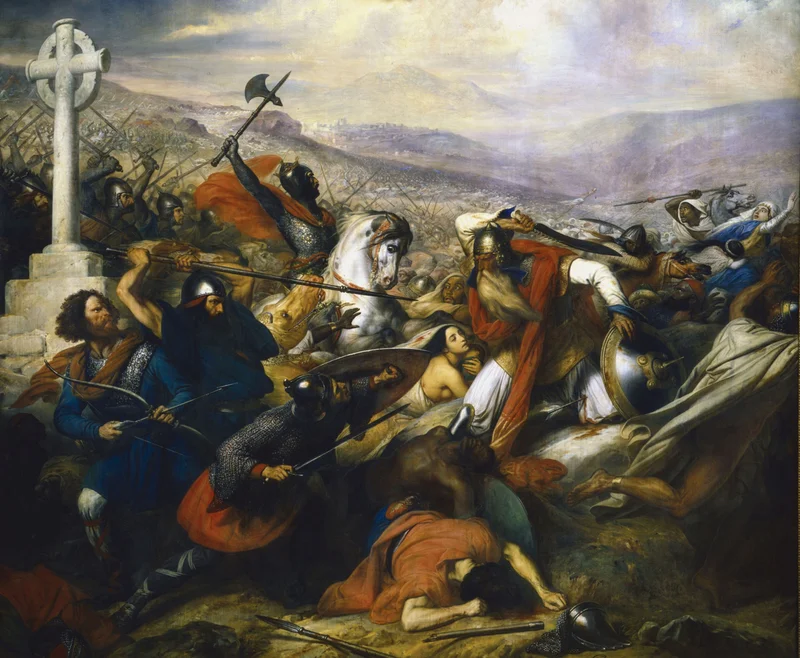
450
AD
-
843
AD
Germania
When the Huns invaded Europe, the Franks stood their ground and fought the Huns alongside the Romans. After Rome fell, they became the dominant rulers of Europe, eventually culminating into Charlemagne and the Holy Roman Empire.
Defended Europe from Muslim expansion
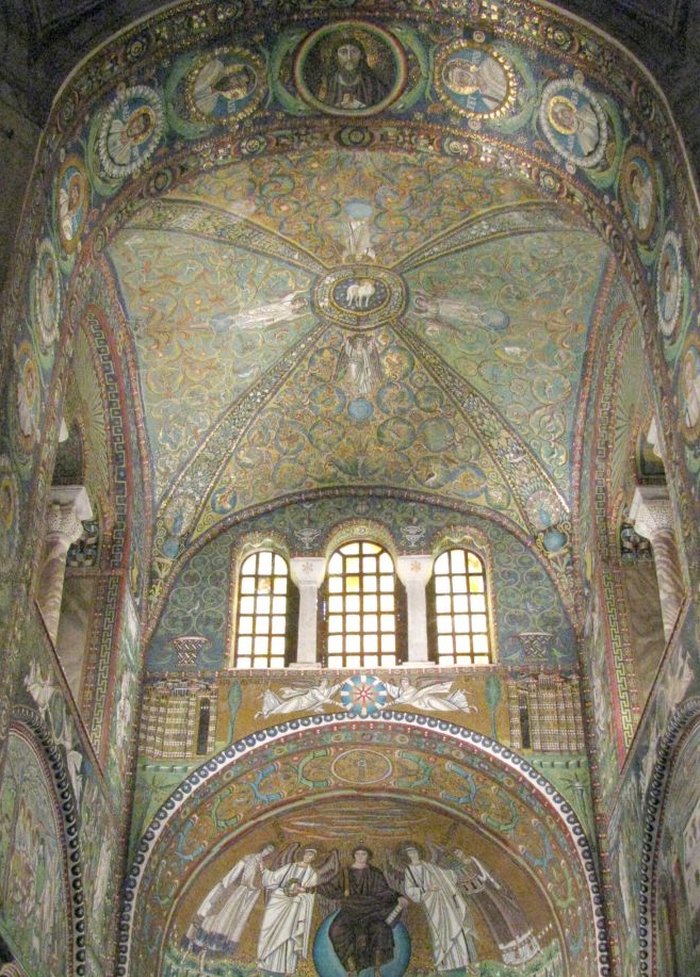
Charlemagne
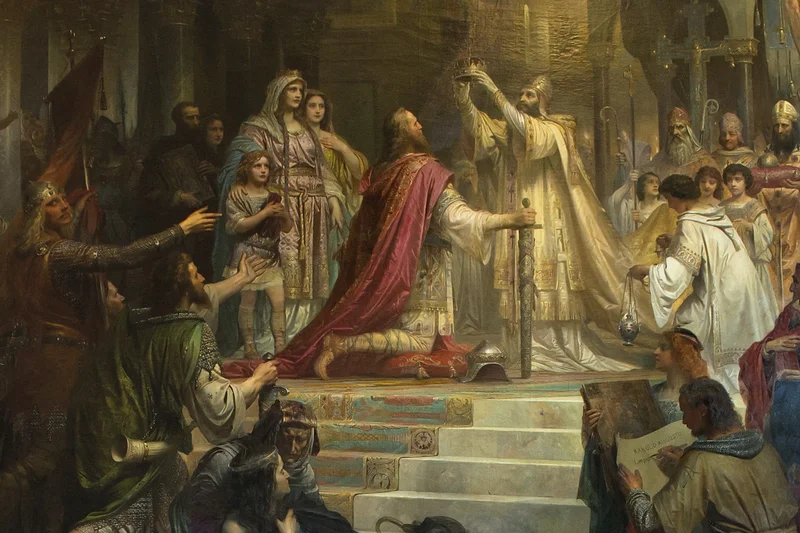
748
AD
-
814
AD
Middle Ages
The powerful King of the Franks who forcibly spread Christianity across central Europe. He was crowned in the city of Rome by the Pope in 800 AD. His empire was inspired by the Roman empire and united Germanic tribes under Catholicism.
Father of Europe

Danes
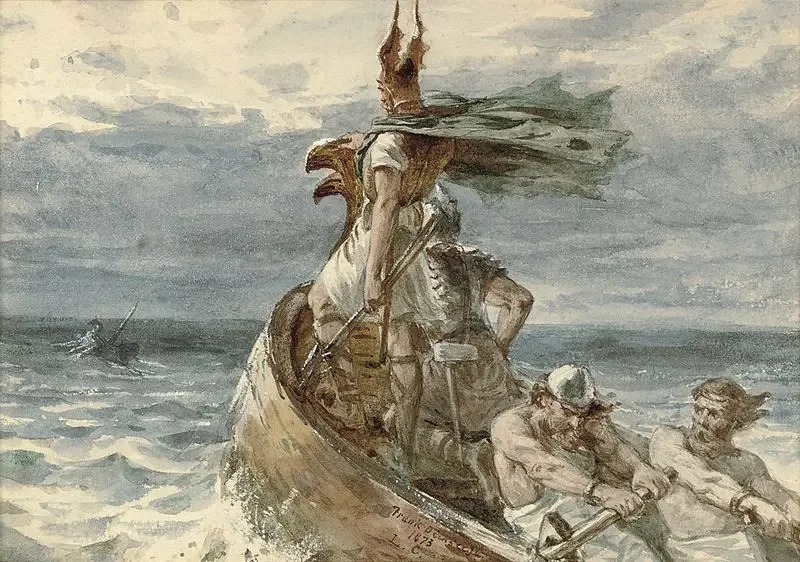
750
-
1066
Viking Age
Known for their raids, invasions and eventual settling of North East England. They claimed vast swathes of English land, leaving a lasting cultural and genetic legacy in the country.
Masters of the North Sea
Norwegians
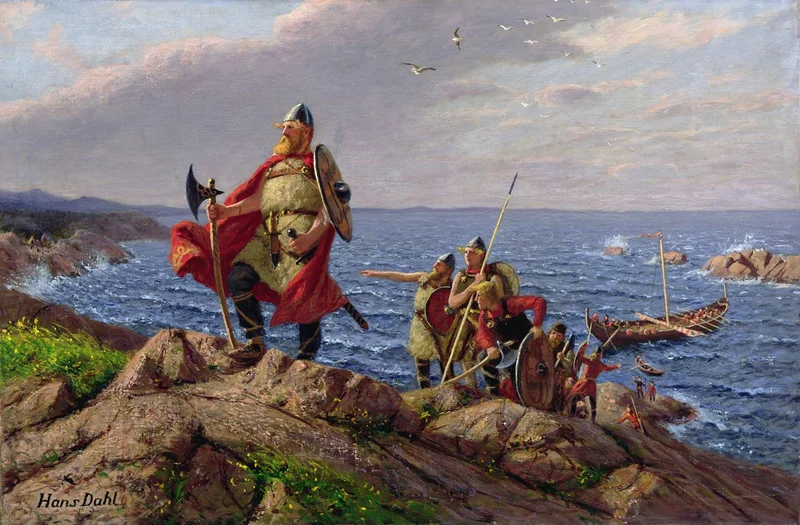
800
-
1066
Viking Age
Adventurous seafarers who braved the open seas to explore far beyond their homeland. They were the first Europeans to settle in Iceland and Greenland, transforming the wild landscapes into thriving communities.
Legend has it that Leif Erikson reached North America around the year 1000
Swedes
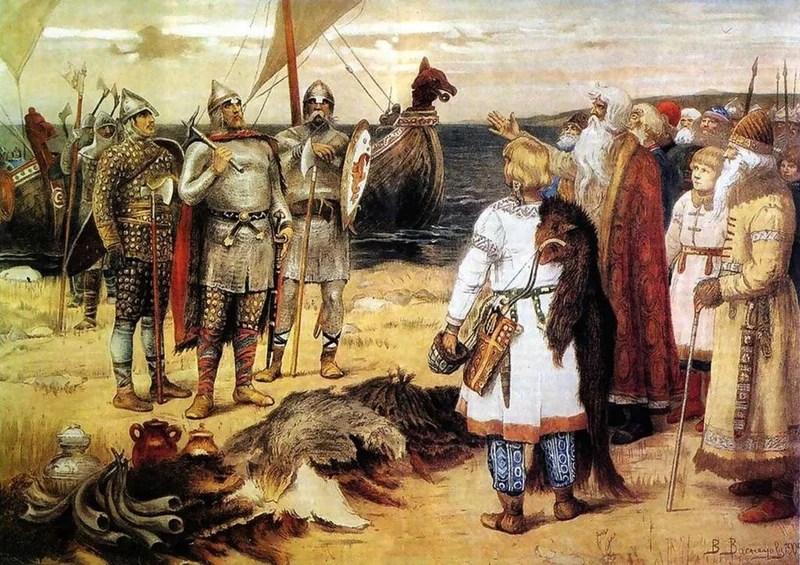
800
-
1100
Viking Age
Bold traders who travelled eastward, connecting Scandinavia with the riches of Byzantium and the Arab world. They were powerful warriors who dominated trade hubs along rivers from the Baltic to the Black Sea.
Conquest and commerce
Normans
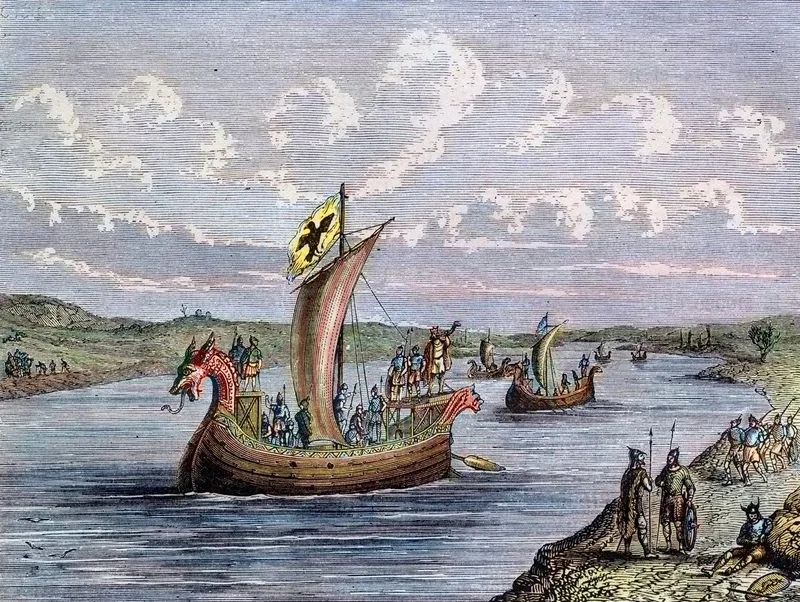
911
-
1206
Viking Age
Vikings who settled into Northern France and shaped it into the powerful state of Normandy. They intermarried with the French and embraced their language and culture, but never lost their warrior spirit.
Led by William the Conquerer, the Normans invaded England in 1066